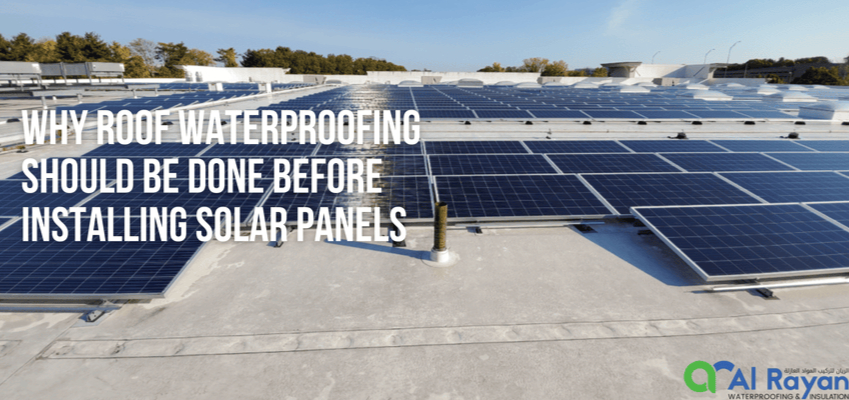
The demand for rooftop solar panels is rapidly increasing as property owners look for sustainable and cost-effective energy solutions. As the cost of electricity continues to increase, more and more residential, commercial, and industrial companies are investing in solar panels. This is being done to help lower electricity costs and promote global environmental goals. However, one critical step is often overlooked before installing solar panels—roof waterproofing. Before a solar panel system is installed, all roofs must be properly waterproofed. This ensures both the roof and the long-term viability of the solar panel system are protected.
The effects of solar panels on roofs.
Solar panel installations significantly change the way a roof functions. The mounting systems add extra load to the roof structure and require penetrations to secure brackets and frames. Where solar panels are fastened through the roof, if not properly sealed and protected against water entering these penetration areas, they can become a source of leaking water. Additionally, once solar panels are installed, large sections of the roof become difficult to access, making inspections, repairs, and waterproofing far more challenging.
Solar panels are designed to last 20 to 25 years, which means the roof beneath them must be able to perform reliably for the same duration. If proper waterproofing is not performed before the installation of solar panels, even small leaks can lead to major structural failures over time.
The Role of Roof Waterproofing in Building Protection
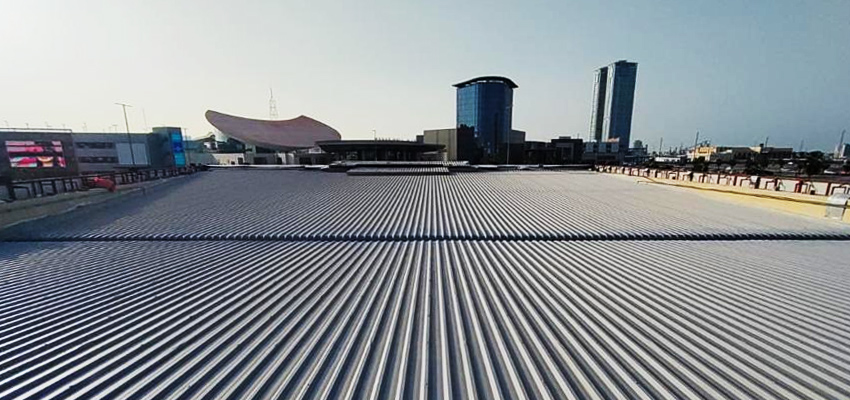
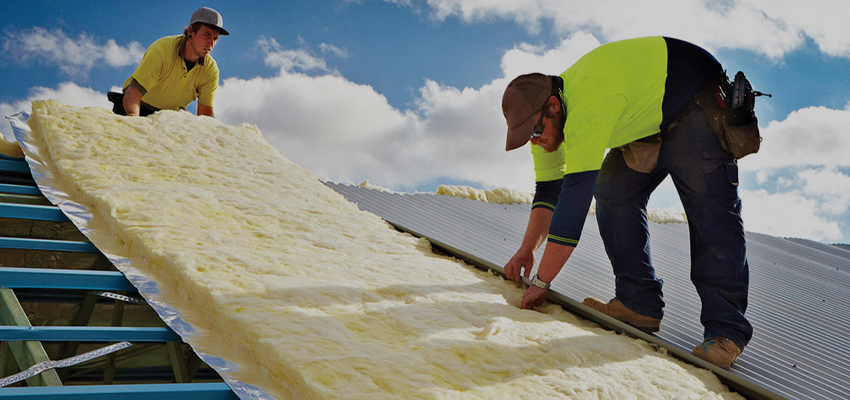
Metal Roof waterproofing in UAE is designed to protect against moisture from entering the interior of a building and affecting the roof, insulation layers, and interior spaces. In climates with high temperatures and humidity, such as the UAE, waterproofing also supports thermal performance by preventing moisture-related insulation failure.
Many roof leaks occur due to aging membranes, poor installation, or lack of proper detailing around joints and penetrations. By installing a high-quality waterproofing system before solar panels, property owners significantly reduce the risk of leaks and costly repairs.
Why Waterproofing Before Solar Installation Is Essential
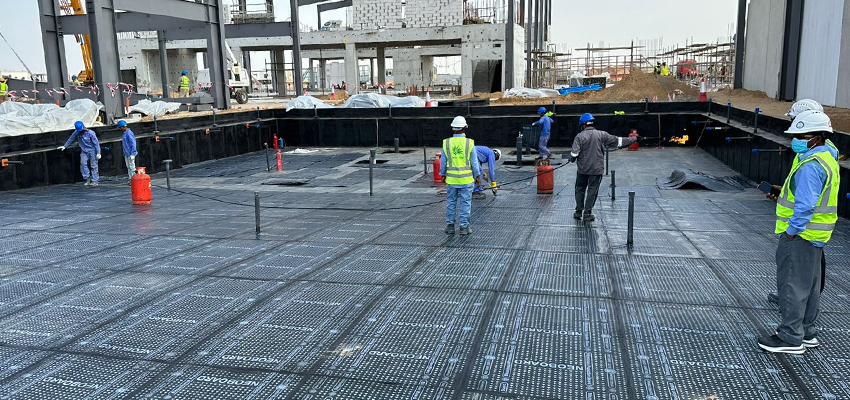
Waterproofing should always be completed before installing solar panels to ensure complete and uninterrupted protection of the roof surface. When waterproofing is done first, membranes can be applied seamlessly across the entire roof, including areas where solar mounts will be fixed. This creates a continuous barrier that prevents water ingress around brackets and anchor points.
Proper waterproofing also protects the roof from thermal expansion and contraction. Roofs are exposed to extreme temperature variations, which can cause cracks and seal failures over time. Waterproofing systems that are made of a flexible, durable material can also accommodate for the movement of the solar panel system throughout the life of the solar panel.
Challenges of Waterproofing After Solar Panels Are Installed
Installing waterproofing on a roof after the installation of solar panels is much more complicated and expensive. Access to the roof surface becomes limited, often requiring partial or complete removal of solar panels to carry out repairs. This not only increases labor costs but also risks damaging the solar system and interrupting power generation.
In many cases, post-installation waterproofing results in patchwork solutions rather than complete protection. These temporary fixes may address visible leaks but fail to provide long-term reliability. Performing waterproofing before solar installation avoids these issues entirely and ensures a durable, cost-effective solution.
Best Waterproofing Systems for Solar-Ready Roofs
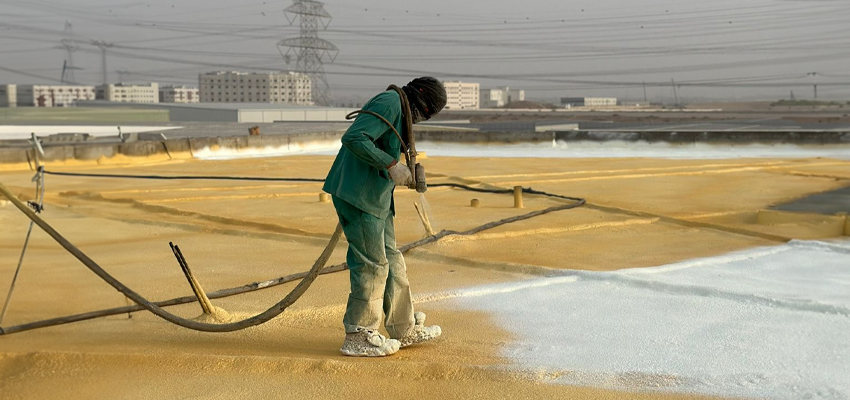
Choosing the right waterproofing system is crucial when preparing a roof for solar panels. Liquid-applied waterproofing membranes are becoming increasingly popular because they are installed without seams and can conform to penetrations and mountings on rooftops. Liquid-applied waterproofing membranes provide great flexibility and excellent UV resistance and therefore can be used on exposed roofs.
Bituminous membranes and polyurethane-based systems are also widely used for solar-ready roofs. These systems offer high durability, strong adhesion, and long service life. When installed correctly, they can perform reliably for decades, matching the lifespan of solar panel systems.
Proper Timing and Coordination
The ideal sequence for solar projects begins with a thorough roof inspection, followed by waterproofing installation and testing. Flood testing and quality inspections should be carried out to confirm the integrity of the waterproofing system before solar panels are installed.
Coordination between waterproofing contractors and solar installers is essential. Clear communication ensures that mounting systems are compatible with the waterproofing membrane and that penetrations are properly sealed without compromising the roof’s protective layer.
Common Mistakes to Avoid
One common mistake is skipping a detailed roof assessment before installing solar panels. Any existing cracks, ponding problems, or damaged materials can be made worse by installing a PV (Photovoltaic) panel on the surface. Another frequent error is using incompatible materials that may chemically react with waterproofing membranes, leading to premature failure.
Poor workmanship and lack of supervision also contribute to waterproofing problems. Professional installation and quality control are critical to achieving long-lasting results.
Benefits of Hiring Professional Waterproofing Contractors
Experienced waterproofing contractors bring technical expertise, approved materials, and skilled applicators to the project. They help to ensure compliance with local building codes, and they also provide warranties for products purchased from them. Professional waterproofing protects not only the structural integrity of the building, but the valuable investment made in the solar photovoltaic system.
The installation of PV panels is a long-term investment. Therefore, the roof supporting the panels must be equally durable. Waterproofing the roof before installing the PV panels should be viewed as an essential rather than simply a precautionary measure. By addressing waterproofing issues early, property owners can prevent leaks, reduce maintenance costs, and ensure uninterrupted solar performance for years to come. If the roof is protected, the PV panel will provide clean, dependable energy for many years.
To continue reading, click: A Complete Guide to Waterproofing for New Construction Projects in Dubai