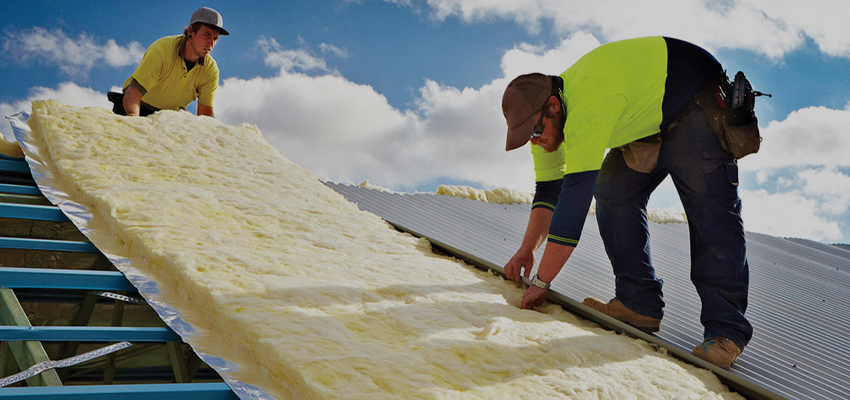
Dubai’s skyline is a symbol of innovation and rapid development, but beneath every iconic structure lies a critical element that determines its longevity—effective waterproofing. With extreme temperatures, high humidity, and saline soil conditions, waterproofing is not an option in new construction projects in Dubai; it is a necessity. Proper waterproofing protects structures from water ingress, reduces long-term maintenance costs, and ensures buildings remain safe and comfortable for years to come.
Why Waterproofing Is Critical in Dubai’s Climate
Dubai experiences some of the harshest environmental conditions for buildings. Summer temperatures often exceed 45°C, and sudden rainfall can lead to water accumulation on roofs and terraces. Combined with high humidity and groundwater pressure, these factors can cause cracks, corrosion, mold growth, and structural weakening if waterproofing is not done correctly. Investing in quality waterproofing during construction is far more cost-effective than repairing water damage later.
Understanding Waterproofing in New Construction
Waterproofing provides essential protection from water ingress through the entire exterior of a structure. In contrast to damp-proofing, which provides only a barrier against water vapor movement, waterproofing provides a complete barrier to prevent water ingress. In new construction, it plays a vital role in protecting foundations, roofs, and internal areas, ensuring long-term structural integrity and occupant comfort.
Key Areas Where Waterproofing is Needed
Roofs and Terraces
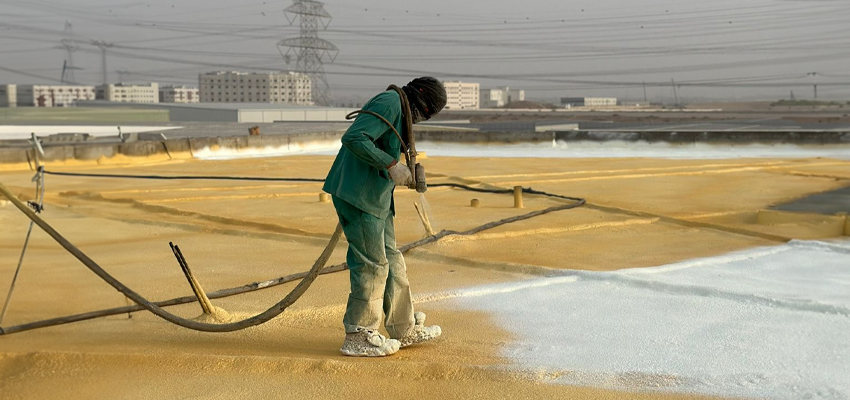
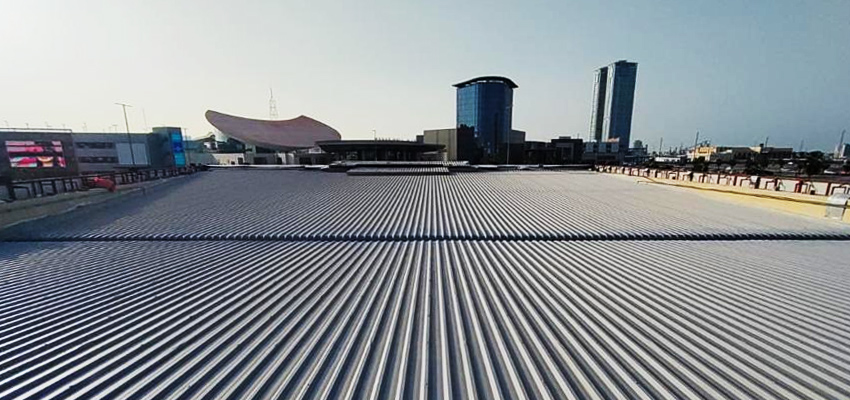
Rooftops are the most exposed areas of any building. Continuous exposure to sunlight, thermal expansion, and occasional heavy rainfall makes them vulnerable to leaks. Waterproofing systems for roofs must be UV-resistant, flexible, and properly integrated with drainage systems to prevent water ponding.
Basements and Foundations
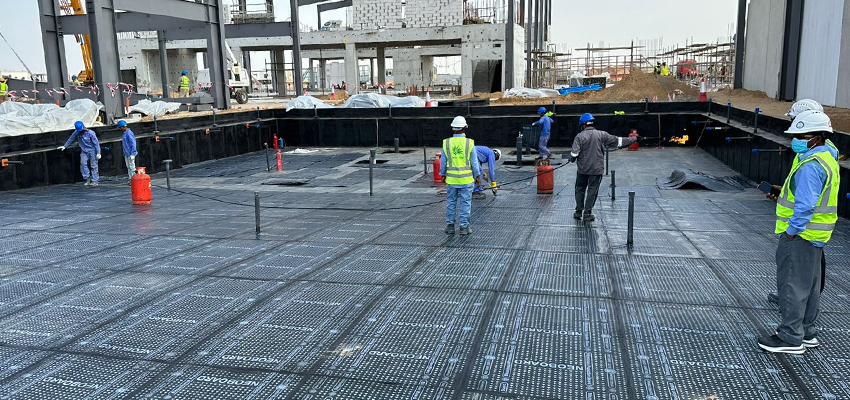
Basements and foundations are constantly subjected to groundwater pressure. If not properly waterproofed, roof tops can absorb or collect large volumes of water through the concrete voids and seams, resulting eventually in moisture penetrating below grade and causing damage to the structure.
Wet Areas
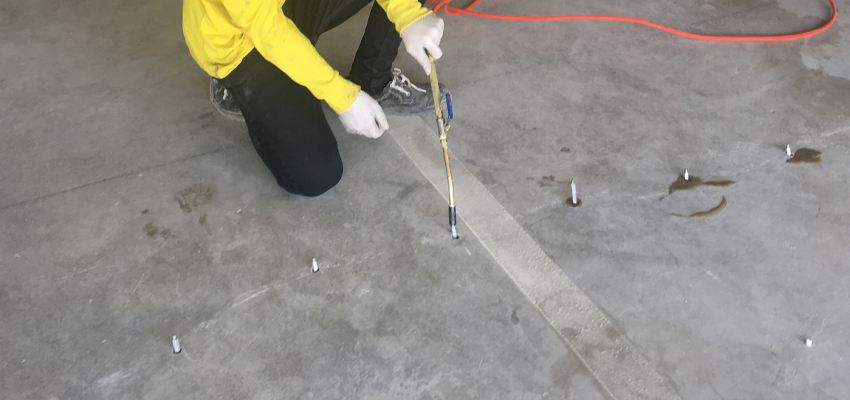
Traditionally in Dubai, either pre-installed or post-installed waterproofing systems are installed on below-grade areas for moisture protection. Inadequate waterproofing in these zones often results in tile damage, leaks, and mold growth. Cementitious or liquid-applied waterproofing systems are typically used to ensure seamless protection.
Types of Waterproofing Systems Used in Dubai
Bituminous Membrane Waterproofing
Widely used for roofs and foundations, bituminous membranes provide durable, long-lasting protection. Available in torch-applied and self-adhesive forms, they offer excellent resistance to water and mechanical damage.
Liquid-Applied Waterproofing
This system creates a seamless, joint-free membrane and is ideal for complex surfaces and irregular shapes. It is commonly used for roofs, balconies, and wet areas due to its flexibility and ease of application.
Cementitious Waterproofing
Cement-based waterproofing is popular for internal wet areas and water tanks. It is easy to apply and integrates well with concrete surfaces, making it suitable for residential and commercial projects.
Polyurethane and Acrylic Coatings
These coatings are known for their flexibility, crack-bridging ability, and UV resistance. They are often used on exposed roofs and terraces where movement and weather exposure are concerns.
Waterproofing Standards and Regulations in Dubai
All waterproofing works in Dubai must comply with Dubai Municipality regulations and UAE building codes. Approved materials and systems must be used, and installations are often subject to inspections and testing. By using international standards developed by organizations such as ASTM and ISO, all waterproofing materials will be able to satisfy their intended performance, safety, and effectiveness.
Best Time to Install Waterproofing
The most effective time to install waterproofing is during the construction phase. Early installation allows seamless integration with structural elements, reduces the risk of future damage, and avoids costly rework. Coordinating waterproofing with civil and finishing works ensures that all critical areas are protected before completion.
Common Waterproofing Mistakes to Avoid
One of the most common mistakes in new construction is selecting the wrong waterproofing system for a specific area. Design errors, poor material choices, and lack of proper detailing can lead to failures. Additionally, poor workmanship and inadequate surface preparation significantly reduce the effectiveness of waterproofing systems. Skilled application and supervision are essential to achieving long-term results.
Advantages of Hiring Professional Waterproofing Contractors in Dubai
Professional waterproofing contractors bring expertise, certified applicators, and access to approved materials. The contractor follows standard procedures and performs inspections on completed jobs. Additionally, contractors offer warranties to give customers assurance regarding the job they have performed. Well done waterproofing will not only help preserve the building but will also help lower long-term maintenance costs and increase the property value over time.
How do you select the right waterproofing company?
When selecting a waterproofing company in UAE, consider experience in new construction projects, a proven portfolio, compliance with regulations, and reliable after-sales support. A trusted contractor will offer site inspections, recommend suitable systems, and ensure high-quality execution.
Waterproofing is a long-term investment that affects the durability and life of any structure. For new construction projects in Dubai, starting with the right waterproofing solutions is essential to withstand the region’s challenging climate. By choosing professional waterproofing services and approved systems, developers and homeowners can ensure their buildings remain strong, safe, and protected for decades to come.
To continue reading, click: Top Insulation Materials Used in UAE and Their Benefits