Waterproofing is a critical part of building protection, especially in regions with challenging climates. In the United Arab Emirates, buildings are exposed to intense heat, humidity, sandstorms, and occasional heavy rainfall. These environmental factors can cause water leakage, structural damage, corrosion, and mold growth if proper waterproofing systems are not in place.
While both commercial and residential buildings require waterproofing, the approach, materials, and maintenance requirements often differ significantly. Understanding these differences helps property owners choose the right solutions and ensure long-term durability for their structures.
Understanding the Importance of Building Waterproofing
Waterproofing refers to the application of specialized materials or coatings designed to prevent water penetration into a building’s structure. Effective waterproofing protects critical areas such as roofs, foundations, basements, terraces, and wet areas like bathrooms and kitchens.
In rapidly developing cities like Ajman, Dubai, Sharjah, and Abu Dhabi, buildings must meet high construction standards to withstand environmental stress. Proper waterproofing not only prevents leaks but also extends the lifespan of the building and reduces maintenance costs. In fact, industry studies indicate that moisture-related problems account for a large percentage of building maintenance issues worldwide.
Difference in Building Size and Structural Complexity
One of the most obvious differences between commercial and residential waterproofing lies in the scale of the project.
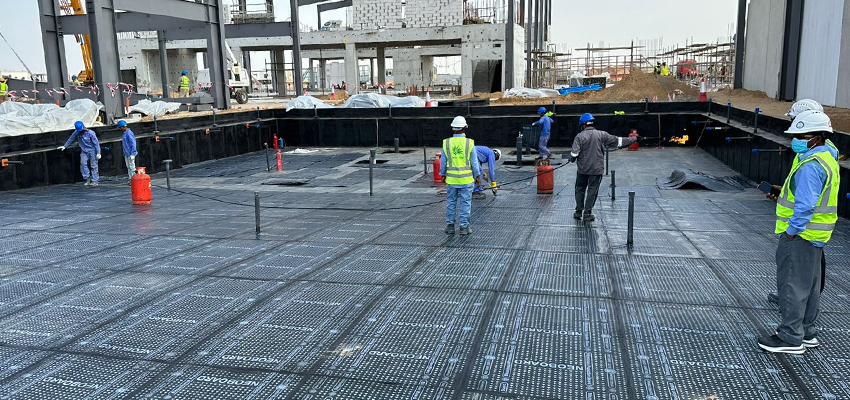
Commercial buildings such as shopping malls, office towers, warehouses, and hotels typically have large roof surfaces, multiple floors, and complex structural designs. These buildings often include mechanical rooms, service areas, and expansion joints that require best waterproofing services in Sharjah.
Residential buildings, on the other hand, usually include villas, apartments, and small housing complexes. Their roofing systems and waterproofing requirements are generally less complex compared to commercial structures. However, this does not mean residential waterproofing is less important. Even minor leaks in a home can cause significant damage to ceilings, walls, and electrical systems.
Types of Waterproofing Systems Used
The waterproofing materials used for commercial and residential buildings also vary depending on structural requirements.
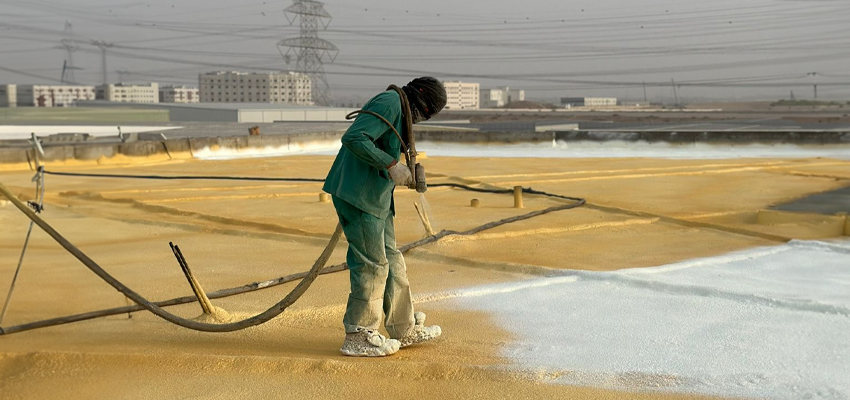
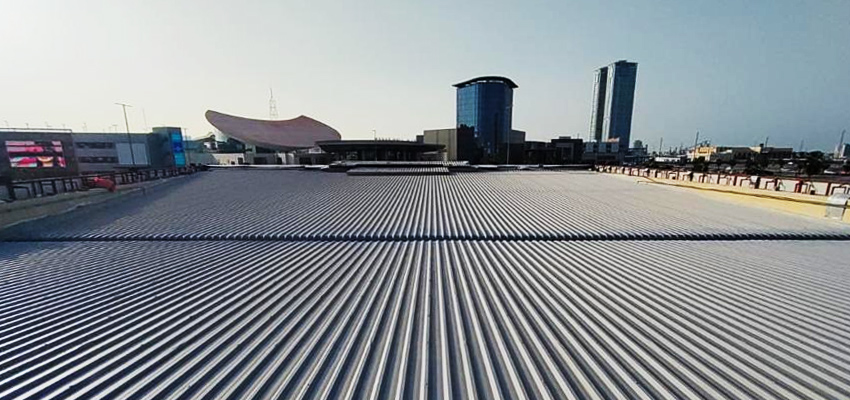
Commercial buildings often require advanced waterproofing systems capable of covering large areas and handling heavier loads. Common solutions include polyurethane liquid membranes, PVC or TPO roofing membranes, silicone roof coatings, and bituminous membrane systems. These materials provide excellent durability and long-term performance.
Residential waterproofing systems typically include cementitious waterproof coatings, acrylic coatings, and bitumen-based membranes. These materials are easier to apply and are well suited for areas such as terraces, balconies, bathrooms, and water tanks.
In both cases, the selection of waterproofing material should be based on the building’s design, environmental exposure, and long-term maintenance requirements.
Load and Usage Differences
Another key difference between commercial and residential waterproofing is the amount of load the roof must support.
Commercial roofs often carry heavy equipment such as HVAC systems, solar panels, ventilation units, and water tanks. These installations create additional stress on the roof surface. As a result, commercial waterproofing systems must be strong enough to handle heavy foot traffic and mechanical loads.
Residential roofs generally experience less structural stress. They are primarily used for occasional maintenance access or recreational spaces. Waterproofing systems in residential properties often focus on leak prevention, comfort, and thermal insulation.
Maintenance and Durability Requirements
Maintenance is a crucial factor in both commercial and residential waterproofing, but the approach differs significantly.
Commercial properties require regular inspection and preventive maintenance because leaks or structural damage can disrupt business operations. Many commercial waterproofing systems are designed to last 15–25 years with proper maintenance. Property managers typically follow scheduled inspection programs to ensure the waterproofing system remains effective.
Residential properties often rely on periodic inspections or repairs performed when leaks occur. However, homeowners who invest in professional waterproofing services and regular maintenance can significantly extend the lifespan of their roofs and reduce repair costs.
Cost and Budget Considerations
Cost is another major difference between commercial and residential waterproofing projects.
Commercial waterproofing projects are usually more expensive due to the large roof areas, specialized materials, and complex installation methods required. However, these investments are essential for preventing costly repairs, structural damage, and operational downtime.
Residential waterproofing projects are typically smaller in scale and therefore less expensive. However, proper waterproofing remains a valuable investment because it protects the property value and prevents future repair expenses.
Compliance with Building Regulations
Commercial buildings must comply with strict construction standards and safety regulations. Waterproofing systems used in these buildings often need to meet engineering specifications and performance requirements.
Residential buildings also follow construction guidelines, but the regulatory requirements are usually less complex than those for large commercial developments. Professional waterproofing contractors ensure that all systems comply with local building standards and provide reliable performance.
The Importance of Professional Waterproofing Services
Regardless of the building type, professional waterproofing services play a vital role in ensuring long-term protection. Experienced contractors conduct thorough site inspections to identify potential weak points such as cracks, damaged membranes, or drainage issues.
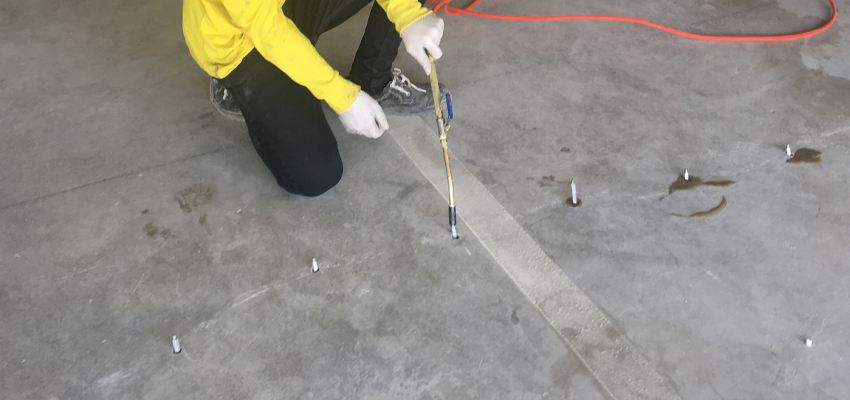
The waterproofing process typically includes surface preparation, crack repairs, primer application, and the installation of high-performance waterproof membranes or coatings. Professional companies also offer maintenance services and warranties to ensure continued performance.
Conclusion
Waterproofing is essential for protecting both commercial and residential buildings from water damage, structural deterioration, and costly repairs. While commercial buildings require large-scale, high-performance waterproofing systems, residential properties benefit from simpler yet highly effective solutions.
In the demanding climate of the United Arab Emirates, choosing the right waterproofing system and working with experienced professionals can significantly extend the life of a building. Whether it is a commercial facility or a residential home, proper waterproofing ensures long-term safety, durability, and peace of mind for property owners.
To learn more, click: Qualities of a Good Metal Roof Waterproofing Coating in Sharjah