In the UAE, winter may be short, but it often arrives with sudden, heavy rainfall that exposes hidden roof weaknesses. Many property owners assume that waterproofing is only necessary in colder countries. However, in reality, most roof leak complaints in the UAE occur during the winter months, when unprepared roofs face intense water exposure.
Preparing your roof before winter is not just preventive maintenance—it’s a smart investment that protects your property, interiors, and structural integrity.
Why Winter Roof Waterproofing Is Critical in the UAE?
Unlike continuous rainfall in other regions, the UAE experiences sporadic but intense rainstorms, usually between November and February. When rainwater collects on your roof faster than it can be drained away, even small defects (i.e., small cracks or torn membranes) may result in leakage.
Additionally, roof materials that expand under extreme summer heat contract during cooler winter nights. This thermal movement causes micro-cracks in concrete slabs and waterproofing layers, allowing water to seep in once the rains begin.
Industry experience shows that preventive waterproofing reduces repair costs by up to 50% compared to emergency leak repairs.
Common Roof Problems That Appear Before Winter
Understanding where failures usually occur helps in early detection and repair.
Cracks in Concrete Roof Slabs
Concrete roofs develop hairline cracks due to temperature fluctuations and structural movement. While these cracks may seem harmless during dry months, they become major water entry points during rainfall.
Aging or UV-Damaged Waterproofing Membranes
Prolonged exposure to intense UAE sunlight causes waterproofing membranes to lose elasticity and crack. By winter, these weakened membranes often fail under water pressure.
Gutters and Drainage Outlets Blocked
Accumulation of dust, sand, and debris are common issue. Poor drainage leads to water ponding, which significantly increases leakage risk if water remains on the roof for more than 24–48 hours.
Poorly Sealed Roof Penetrations
Areas around AC units, pipes, solar panel mounts, and expansion joints are highly vulnerable. These junctions require specialized sealing systems to remain watertight.
Warning Signs Your Roof Is Not Winter-Ready
Many leaks show subtle signs before turning into major problems:
- Water Stains on Walls or Ceilings
- Peeling Paint, Damp Smells Inside
- Mold growth near the roof slabs
- Standing water after rainfall
- Cracks or blistering on roof surfaces
Ignoring these early indicators often results in interior damage and costly structural repairs.
Important Steps for Getting Your Roof Ready for Winter
1. Schedule a Professional Roof Inspection
A professional inspection goes beyond visual checks. Waterproofing experts assess:
- Existing membrane condition
- Drainage efficiency
- Crack depth and spread
- Moisture intrusion using specialized tools
Finding and fixing problems early means less chance of needing to replace your entire roof.
2. Identify & Repair Cracks/Weak Spots
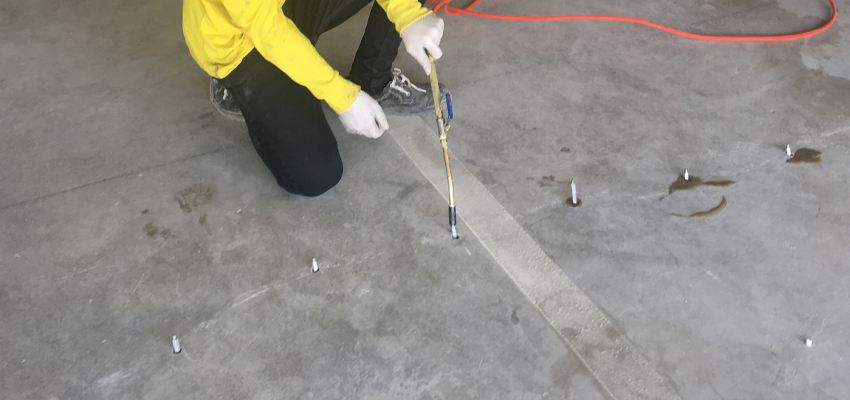
To repair cracks in your roof, use one of the following:
- Crack injection systems
- Flexible sealants for movement joints
- Cementitious or polyurethane-based repair materials
Proper surface preparation is crucial for long-lasting results.
3. Apply High-Performance Waterproofing Systems
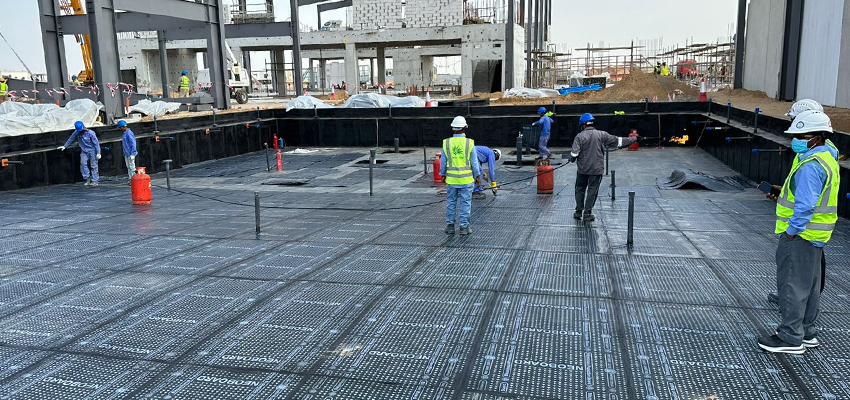
Modern waterproofing solutions designed for UAE conditions include:
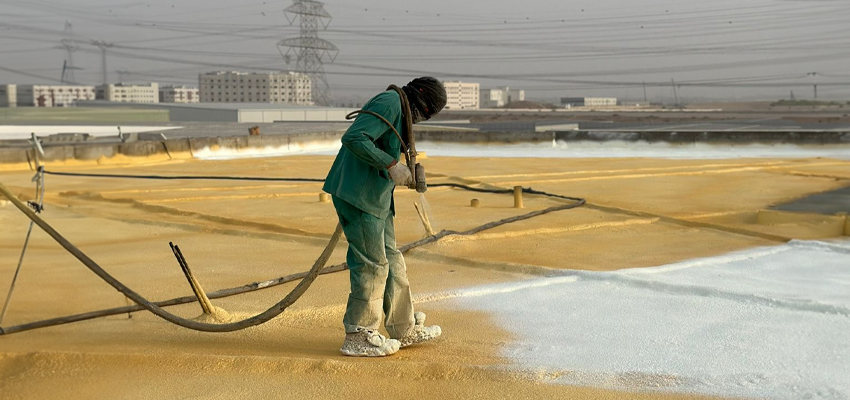
- Liquid-applied polyurethane membranes for flexibility
- Elastomeric waterproof coatings with UV resistance
- Torch-applied bituminous membranes for high-load areas
These systems create seamless, durable protection against water ingress.
4. The Importance of Roof Drainage
Ensuring that there is proper drainage is just as important as having a waterproof roof. This may involve:
- Cleaning and upgrading drainage outlets
- Correcting roof slopes
- Installing additional scuppers or drainage points
Best Waterproofing Solutions for UAE Roof Types
Concrete Roof Waterproofing
Polyurethane and acrylic coatings provide flexibility and heat resistance, making them ideal for exposed concrete roofs.
Metal Roof Waterproofing
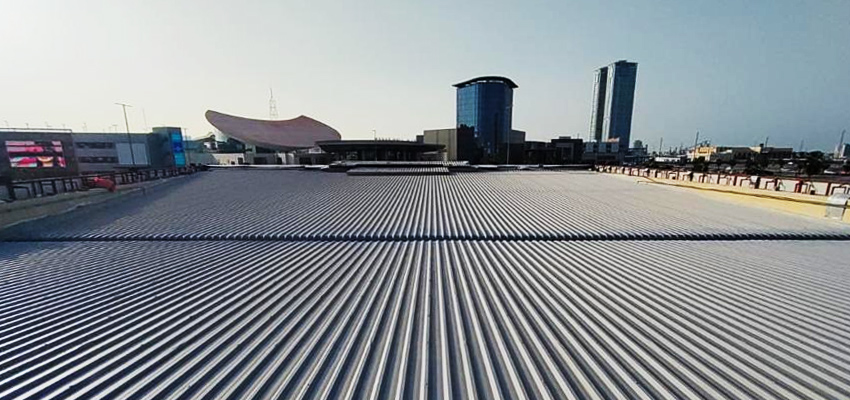
Metal roofs require anti-corrosion treatment, joint sealing, and elastomeric coatings to prevent leaks caused by thermal expansion and rust.
Commercial and Industrial Flat Roofs
Multi-layer waterproofing systems with fabric reinforcement are recommended to handle heavy foot traffic and water load.
Why Professional Waterproofing Is Better Than DIY Fixes?
DIY solutions like sealants or surface paints offer temporary relief but often fail under thermal movement and prolonged water exposure. Improper application can trap moisture and worsen the problem.
Professional waterproofing offers:
- Climate-specific materials
- Skilled surface preparation
- Long-lasting systems with warranties
- Compliance with UAE building standards
Professionally applied waterproofing systems typically last 10–15 years, while DIY fixes may last only 1–3 years.
Maintain Your Roof Throughout the Winter
Even after waterproofing, regular checks are essential:
- Inspect the roof after heavy rain
- Ensure drains remain clear
- Address minor issues before they escalate
Annual maintenance contracts can extend roof lifespan and prevent unexpected failures.
Final Thoughts
Winter in the UAE may be brief, but its impact on roofs can be severe if not properly prepared. Investing in a professional roof waterproofing company in Sharjah before winter ensures leak-free interiors, lower maintenance costs, and long-term structural protection.
If you’re unsure about your roof’s condition, a professional inspection today can prevent major repair expenses tomorrow. Preparing your roof for winter is not just about waterproofing—it’s about peace of mind.
To know more, click: What’s Rust? Why Do Metal Roofs Get Rusty? How You Can Fix It?