Indoor comfort in UAE buildings depends heavily on how well the structure handles heat and moisture. Air conditioning alone cannot solve problems caused by roof leakage, wall dampness, or excessive heat transfer through concrete surfaces. Without proper waterproofing and thermal insulation, indoor spaces become harder to cool, maintenance costs increase, and moisture-related damage gradually affects walls, ceilings, and flooring.
The UAE’s climate places constant pressure on residential and commercial properties. Summer temperatures frequently cross 45°C. Roof slabs and external walls absorb significant heat during the day and continue releasing it into indoor spaces after sunset. Buildings without proper insulation often experience uneven room temperatures and continuous AC usage.
At the same time, moisture intrusion creates another layer of problems. Water seepage through roofs, balconies, bathrooms, and basements contributes to damp indoor conditions and structural deterioration.
Heat Transfer Through Roofs Affects Indoor Temperature
Roofs receive the highest level of direct sunlight exposure in UAE buildings. Concrete surfaces store heat throughout the day, especially during the summer months. In poorly insulated buildings, this heat transfers directly into interior rooms.
Residents usually notice the problem during afternoons and evenings when upper floors remain warmer despite constant air conditioning. Offices and villas with exposed roof slabs often experience higher cooling costs because HVAC systems work longer to maintain stable indoor temperatures.
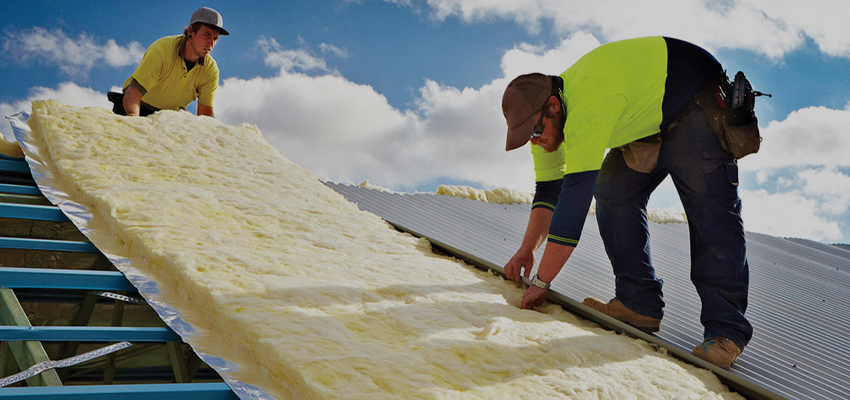
Thermal insulation reduces this heat transfer by creating a protective barrier between the roof surface and indoor spaces. Common insulation materials used in UAE projects include:
- Extruded polystyrene (XPS) boards
- PIR insulation panels
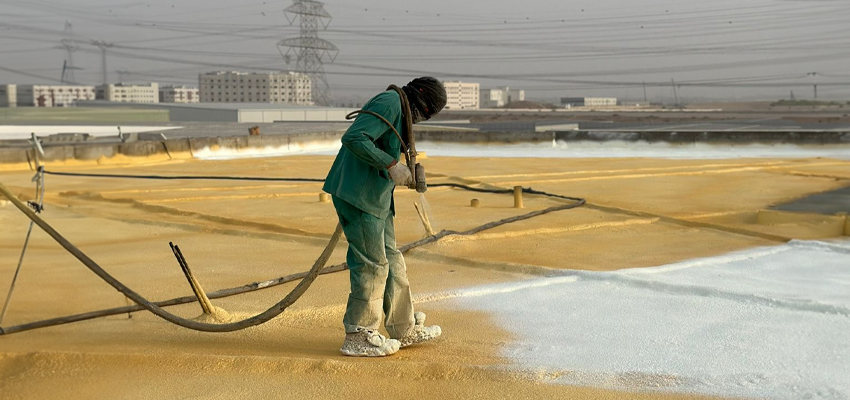
- Polyurethane spray foam systems
Insulation slows heat movement through building envelopes, helping indoor spaces maintain more stable temperatures in hot climates.
Many thermal insulation contractor in Dubai combine with roof waterproofing systems to improve long-term roof performance.
Roof Waterproofing Helps Maintain Cooler Interiors
Waterproofing does more than stop leaks. High-quality roof membranes also help protect roof slabs from UV exposure and surface deterioration caused by temperature fluctuations.
During heavy rainfall or roof drainage failure, water can seep into concrete surfaces and weaken roofing systems over time. Once cracks develop, trapped moisture increases indoor humidity and affects ceiling finishes.
Several waterproofing systems are commonly used across UAE construction projects:
- APP torch-applied membranes
- SBS modified bitumen membranes
- Polyurethane liquid waterproof coatings
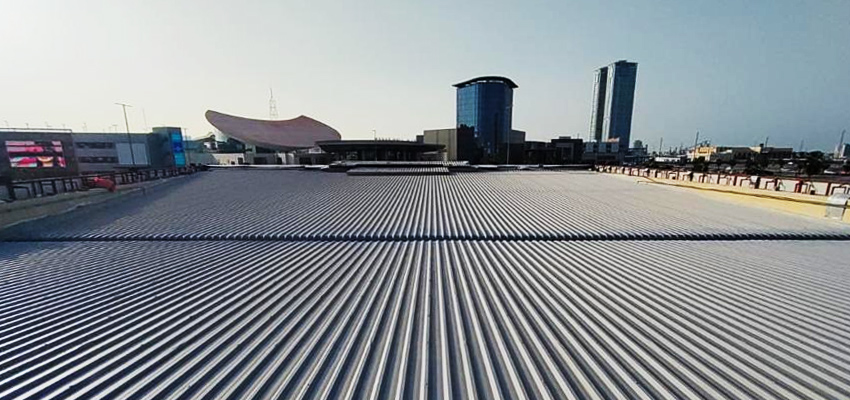
- Acrylic reflective roof coatings
Reflective waterproof coatings also reduce roof surface temperatures by limiting heat absorption. This contributes to better indoor comfort and reduces thermal stress on roof slabs.
Moisture Problems Affect Indoor Air Quality
Indoor comfort is closely linked to humidity control. Water leakage inside walls, ceilings, or basements creates damp conditions that affect air quality and building hygiene.
Common warning signs include:
- Mold growth near the ceiling corners
- Peeling paint and bubbling wall finishes
- Persistent musty odors
- Condensation near windows and AC ducts
The indoor dampness contributes to respiratory concerns and poor indoor air quality. In UAE buildings, hidden moisture often develops behind gypsum walls or beneath roof slabs where leaks remain undetected for long periods.
Professional waterproofing inspections help identify these issues early using moisture meters and thermal imaging equipment.
Basement Waterproofing Reduces Humidity Inside Buildings
Basements and underground parking areas face constant exposure to groundwater pressure in several UAE locations. When waterproofing systems fail, water slowly enters through retaining walls and floor joints.
Humidity from basement leakage can spread upward into occupied areas of the building. This often affects storage rooms, parking structures, gyms, and service areas.
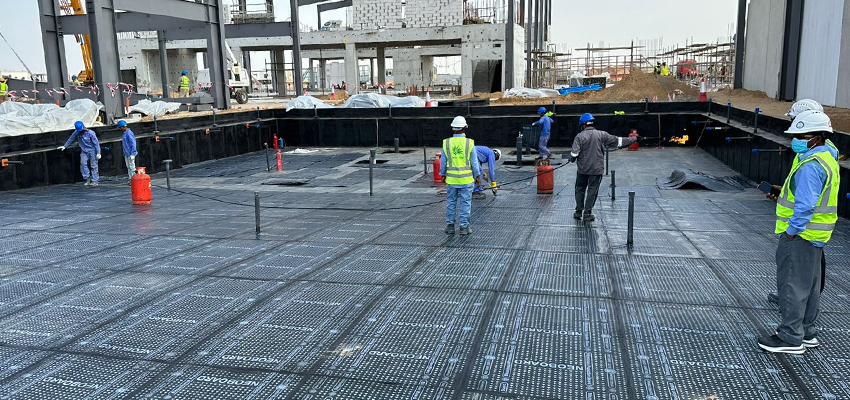
Professional waterproofing companies use several methods to protect below-ground structures:
- Polyurethane injection grouting for active leaks
- HDPE waterproof membranes
- Crystalline waterproof coatings
- Drainage board systems
These systems help keep underground spaces dry and improve indoor environmental conditions throughout the building.
Crack Injection Repair Prevents Hidden Leakage
Small cracks in walls and slabs often become entry points for water and humid air. Surface patch repairs may hide visible damage temporarily, though moisture continues penetrating deep inside the concrete.
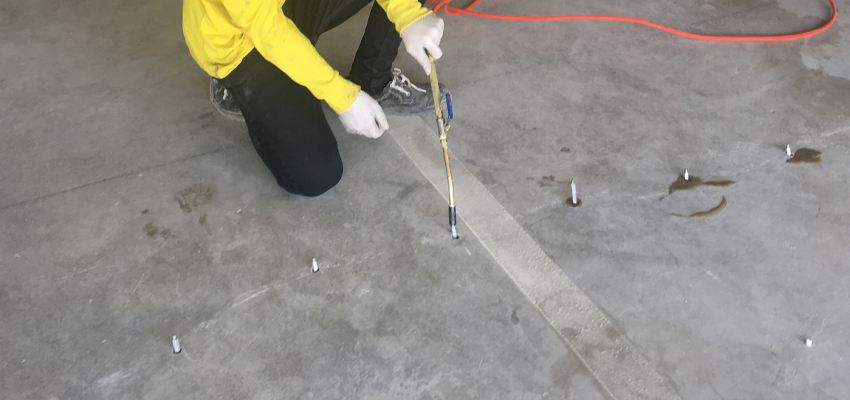
Professional crack injection repair seals internal voids using pressure injection systems. Contractors usually select repair materials based on crack type and moisture conditions.
Frequently used products include:
- Sika Injection-201 CE
- Fosroc Nitofill EP
- MasterInject resin systems
Epoxy injection systems are typically used for structural crack bonding, while polyurethane injections control active water leakage.
Early crack repair helps prevent ceiling stains, damp patches, and corrosion inside reinforced concrete structures.
Long-Term Comfort Depends on Preventive Maintenance
Waterproofing and insulation systems perform best when inspected regularly. Roof membranes exposed to constant heat eventually require maintenance, especially in older buildings.
Routine inspections often include:
- Roof drainage checks
- Sealant condition assessment
- Moisture testing
- Crack inspection
- Membrane surface evaluation
Property owners who schedule preventive maintenance usually avoid larger structural repair costs later.
Conclusion
Indoor comfort in UAE buildings depends on more than air conditioning capacity. Waterproofing systems protect structures from moisture damage, while thermal insulation reduces heat transfer and stabilizes indoor temperatures.
Roof waterproofing, basement protection, crack injection repair, and insulation all contribute to healthier and more energy-efficient indoor spaces. Buildings exposed to UAE climate conditions require long-term protection strategies that address both heat and moisture challenges.
Professional waterproofing contractors help property owners improve indoor comfort while protecting structural durability for years ahead.
To learn more, click: How a Waterproofing Company in UAE Helps Extend Building Lifespan?