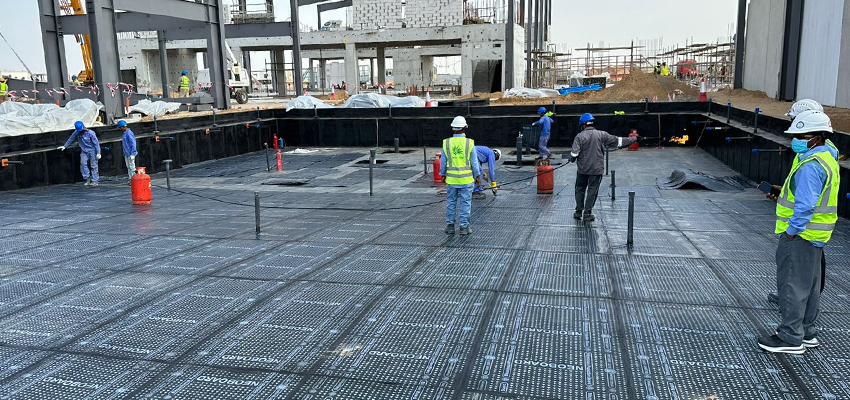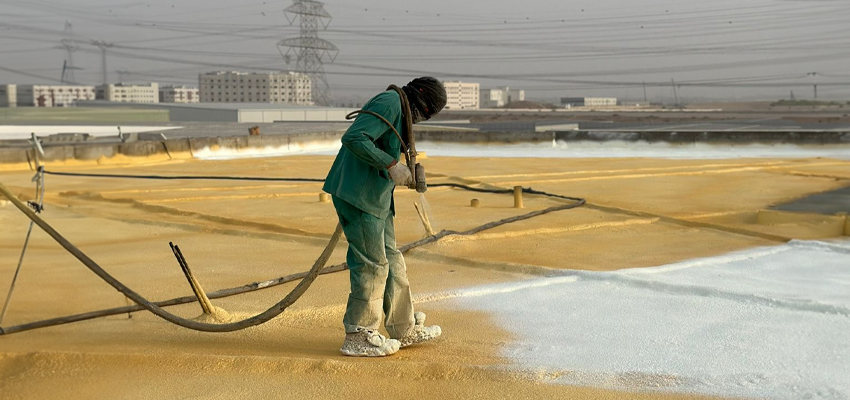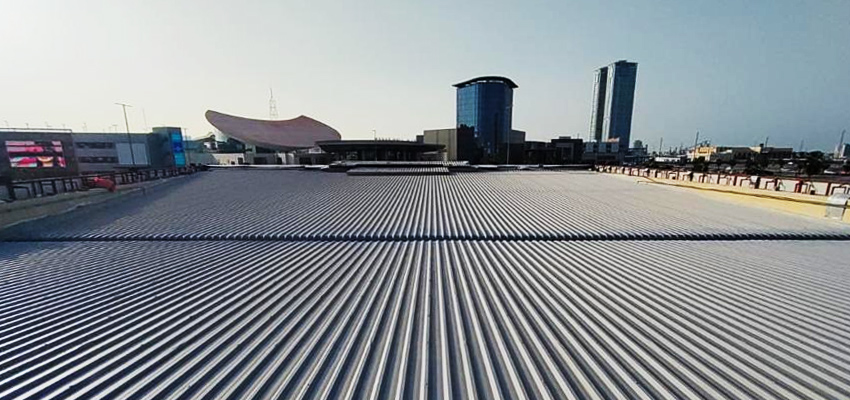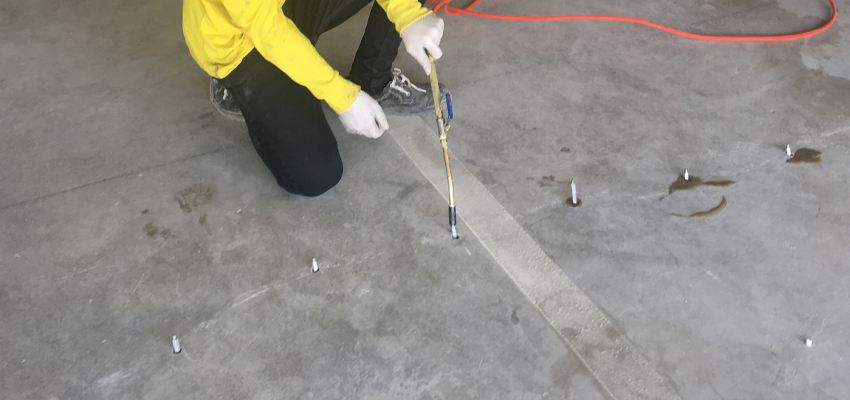
Dubai's climate presents unique challenges for residential and commercial properties. With intense summer heat, high UV exposure, humidity, occasional heavy rainfall, and frequent temperature fluctuations, building materials are constantly under stress. This is why waterproofing is one of the most important investments homeowners can make to protect their properties.
How Long Does Waterproofing Typically Last?
In Dubai's climate, a professionally installed waterproofing system can generally last between 5 and 25 years, depending on the material and application method.
Here is a general breakdown:
| Waterproofing System | Average Lifespan |
|---|---|
| Acrylic Waterproof Coating | 5–10 Years |
| Cementitious Waterproofing | 5–10 Years |
| Bituminous Membrane Waterproofing | 10–15 Years |
| Polyurethane Waterproofing | 10–20 Years |
| EPDM Rubber Membranes | 20–25 Years |
| PVC/TPO Membranes | 15–25 Years |
While these are average estimates, actual performance can vary based on site conditions and maintenance.
Why Dubai's Climate Impacts Waterproofing Lifespan?
Extreme Heat and UV Exposure
Dubai experiences summer temperatures that can exceed 45°C. Constant exposure to intense sunlight and UV rays can cause some waterproofing materials to degrade faster, leading to cracks, brittleness, or reduced flexibility.
High-quality UV-resistant waterproofing systems are specifically designed to withstand these harsh conditions and offer longer-lasting protection.
Humidity and Condensation
Coastal areas in Dubai often experience elevated humidity levels. Moisture accumulation can gradually affect building surfaces, especially roofs, terraces, and external walls.
Without proper waterproofing, humidity can contribute to mold growth, dampness, and material deterioration.
Occasional Heavy Rainfall
Although Dubai receives relatively low annual rainfall, sudden storms and heavy downpours can overwhelm poorly protected surfaces. Roofs and balconies are especially vulnerable if waterproofing systems have deteriorated over time.
Factors That Affect Waterproofing Longevity
Quality of Materials
Not all waterproofing products are created equal. Premium-grade membranes and coatings generally provide superior durability and weather resistance compared to low-cost alternatives.
Investing in high-quality materials often results in lower maintenance costs and longer service life.
Installation Expertise
Even the best waterproofing materials can fail if they are installed incorrectly. Poor surface preparation, inadequate coverage, and improper application techniques can significantly reduce the effectiveness of the system.
Professional installation by experienced waterproofing contractors is essential for achieving maximum performance.
Building Movement
Buildings naturally expand and contract due to temperature changes. Waterproofing systems must be flexible enough to accommodate this movement without cracking or separating from the surface.
Maintenance Practices
Regular inspections and preventive maintenance can dramatically extend the lifespan of waterproofing systems. Small cracks or damaged areas can often be repaired before they develop into major problems.
Signs That Waterproofing May Be Failing
Homeowners should monitor their property for warning signs that indicate waterproofing deterioration.
Water Stains
Brown or yellow stains on ceilings and walls often indicate water intrusion.
Peeling Paint
Paint bubbling or peeling may be a sign of moisture trapped behind surfaces.
Damp Patches
Persistent damp spots can indicate compromised waterproofing.
Mold and Mildew Growth
Excess moisture creates ideal conditions for mold and mildew, especially in poorly ventilated areas.
Cracks in Roofs or Walls
Visible cracks may allow water to penetrate and cause structural damage over time.
Musty Odors
A persistent damp smell often suggests hidden moisture issues.
If any of these signs are present, it is important to arrange a professional waterproofing inspection as soon as possible.
How to Extend the Life of Waterproofing Systems?
Schedule Regular Inspections
Experts recommend inspecting roofs, terraces, and waterproofed surfaces at least once a year, especially before and after the rainy season.
Address Minor Damage Quickly
Small cracks and leaks can become costly repairs if left untreated. Prompt maintenance helps preserve the integrity of the waterproofing system.
Keep Roofs Clean
Debris, standing water, and dirt accumulation can accelerate wear and reduce waterproofing effectiveness.
Choose Professional Waterproofing Services
Working with experienced waterproofing contractor in Ajman ensures proper installation, quality materials, and long-term protection.
Invest in Preventive Maintenance
Routine maintenance programs help identify potential issues before they cause significant damage.
Why Professional Waterproofing Matters?
Choosing a trusted waterproofing specialist can make a significant difference in the longevity and effectiveness of your waterproofing system. Professional contractors assess the property's requirements, recommend suitable solutions, and ensure proper installation according to industry standards.
This not only improves durability but also reduces the risk of future repair expenses.
Conclusion
The lifespan of waterproofing in Dubai typically ranges from 5 to 25 years, depending on the materials used, installation quality, environmental exposure, and maintenance practices. Given the region's extreme temperatures, humidity, and occasional heavy rainfall, investing in professional waterproofing is essential for protecting your property.
For homeowners looking for reliable and long-lasting waterproofing solutions, Al Rayan Insulation offers expert waterproofing services designed specifically for the UAE's challenging climate. With high-quality materials, skilled workmanship, and customized solutions, Al Rayan Insulation helps safeguard homes and buildings against water damage, ensuring lasting protection and peace of mind for years to come.
To learn more, click: What Is Waterproofing and Why Is It Essential for Buildings in the UAE?